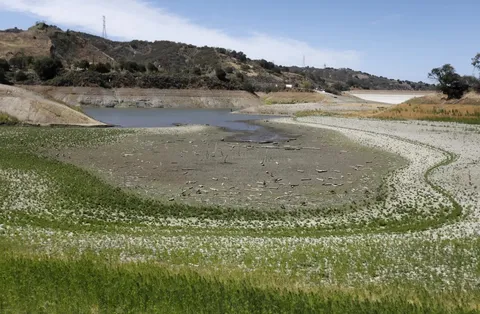
Water scarcity is an escalating global crisis, particularly in arid regions where reservoir levels drop rapidly due to environmental exposure. Implementing robust evaporation control methods is essential for any organization or municipality looking to optimize their water storage. These strategies do more than just save water; they protect the significant investments made in collecting, treating, and storing this life-sustaining resource for beneficial use.
The Role of Evaporation Control Methods in Water Saving
The rate of water loss from a reservoir is determined by several physical variables. Heat, wind, and low humidity act in tandem to pull water from the surface into the air. By deploying targeted strategies, water managers can disrupt these physical drivers. Successful implementation requires a thorough evaluation of site-specific conditions, ensuring that the chosen approach addresses the unique vulnerabilities of the water body to maximize total water retention.
Evaluating Evaporation Control Methods
Choosing the right technology involves balancing cost, durability, and operational impact. While some methods are effective in small ponds, they may not scale well to larger reservoirs. Evaluating the long-term effectiveness of various physical and chemical barriers helps decision-makers choose paths that offer the best results. This strategic approach ensures that resources are allocated toward solutions that deliver measurable reductions in annual water loss rates.
Innovation in Evaporation Control Methods
Technology continues to improve, offering more refined ways to cover water surfaces. Today’s advancements focus on materials that are easier to deploy and more resistant to environmental stressors. As we learn more about how different coatings and physical barriers perform in the field, we can better predict their impact on local water supplies. Continued research is vital for improving the efficiency and affordability of these essential water-saving tools.
Why Modular Floating Covers Are Changing the Game
As we search for reliable infrastructure solutions, modular floating covers stand out for their adaptability. Unlike fixed roofs or large floating blankets that can be difficult to manage, these units interlock to form a protective layer that conforms to any shape. Their popularity is growing rapidly because they provide a high-coverage barrier without interfering with the daily operations or physical structure of the underlying pond or reservoir.
The Mechanism of Modular Floating Covers
These covers work by breaking the wind-water interface and shading the surface from direct sunlight. By significantly reducing the energy reaching the water, the evaporation process is effectively throttled. They are particularly effective in high-wind areas where surface films might fail, as the interlocking structure remains stable even under turbulent conditions. This level of protection makes them a superior choice for protecting large-scale industrial and municipal water assets.
Operational Advantages of Modular Floating Covers
Beyond evaporation suppression, these systems offer a clean way to manage water quality. By blocking sunlight, they prevent the photosynthesis necessary for algae blooms to thrive. This reduces the need for chemical treatments and improves overall water clarity. Their low-maintenance profile ensures that facility managers can focus on operations while the covers continue to provide reliable, passive protection against the sun and wind throughout the entire year.
Conclusion
Water preservation is a fundamental pillar of environmental and economic sustainability. By adopting advanced techniques, we can effectively halt the preventable loss of stored water. It is important to view these investments as a core part of infrastructure maintenance, rather than an optional add-on, as they directly impact the long-term viability and operational costs of water storage systems in diverse environments.
As we move forward, the adoption of these technologies will define our success in managing finite resources. Implementing these systems is a proactive step that safeguards against future shortages. By choosing high-performance solutions, we can maintain stable water supplies, ensuring that our operations remain productive and environmentally responsible despite the challenges posed by changing climatic conditions and rising temperatures.